
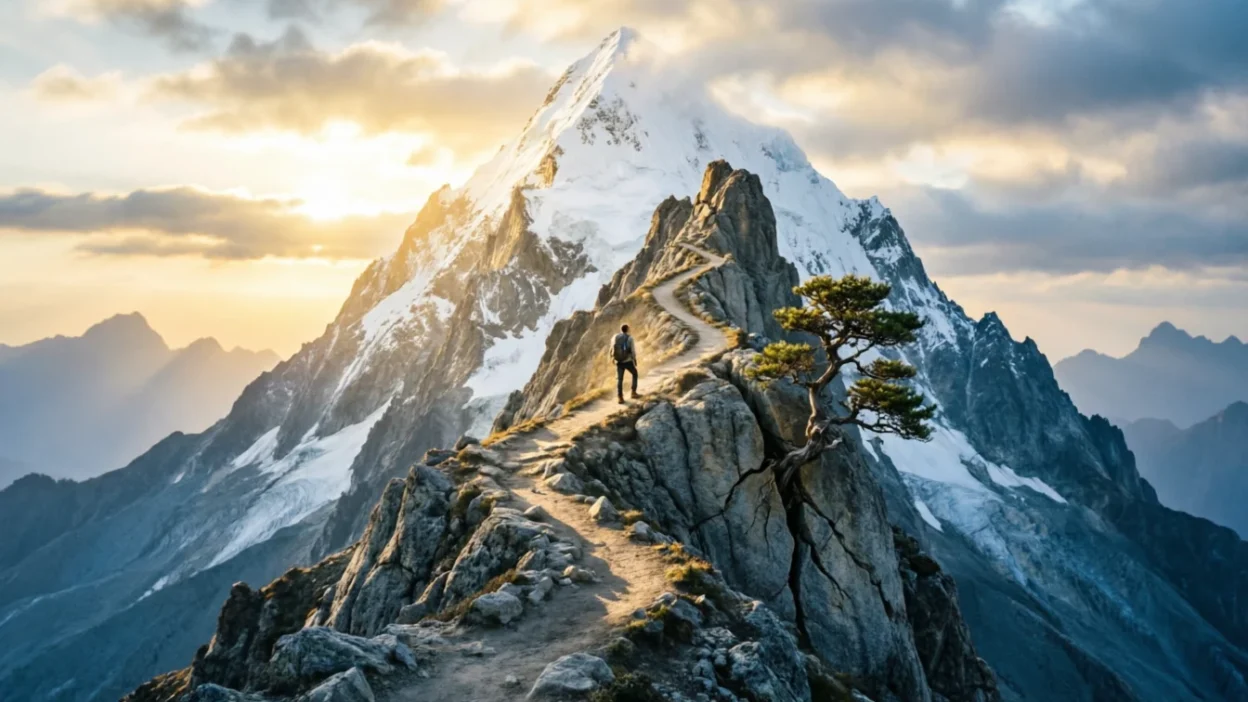
Mountain symbolism speaks to strength, endurance, and the journey toward higher purpose. Across cultures and spiritual traditions, mountains represent obstacles to overcome and sacred heights to reach.
Understanding mountain symbolism reveals how challenges shape growth, resilience, and personal transformation.
A mountain stands firm against storms and time. Symbolically, it reminds us that growth often requires effort, courage, and faith.
Mountain Symbolism Meaning (Clear Definition)
Mountain symbolism refers to the symbolic meaning of a mountain as a powerful natural structure representing strength, stability, elevation, and challenge.
In simple terms, a mountain symbolizes a major life journey—often difficult, but ultimately rewarding.
What Does Mountain Symbolism Represent?
Mountain symbolism represents both obstacles and achievement. It reflects the tension between struggle and triumph.
Common symbolic meanings include:
- Strength and stability
- Personal growth and perseverance
- Spiritual elevation
- Life challenges
- Achievement and success
- Endurance and resilience
Core Symbolic Meanings of a Mountain
| Mountain Symbol | Meaning |
|---|---|
| Climbing a Mountain | Overcoming challenges |
| Reaching the Summit | Achievement or enlightenment |
| Snow-Capped Mountain | Purity and higher awareness |
| Rocky Mountain | Difficult obstacles |
| Mountain Range | Long-term life journey |
Spiritual Meaning of Mountain Symbolism
Spiritually, mountain symbolism reflects elevation and divine connection. Mountains are often seen as sacred spaces where heaven and earth meet.
They symbolize spiritual awakening, enlightenment, and closeness to higher truth. The act of climbing a mountain represents the soul’s journey toward growth and clarity.
Mountains also symbolize grounding strength—remaining firm while reaching upward.
Biblical / Religious Meaning of Mountain Symbolism
In biblical contexts, mountains often represent divine revelation and spiritual authority. Important events and revelations frequently occur on mountains, symbolizing closeness to God.
Mountains also represent faith strong enough to overcome obstacles. In religious symbolism, they signify spiritual testing, covenant, and sacred encounters.
Across other religions, mountains are sacred sites of meditation, pilgrimage, and divine presence.
Mountain Symbolism in History and Culture
Throughout history, mountains have symbolized power and permanence. Ancient civilizations built temples and sacred sites on mountains to reflect spiritual importance.
Cultural meanings include:
- Sacred dwelling places of gods
- Natural protection and strength
- National pride and identity
- Pilgrimage and rites of passage
Mountains often stand as symbols of endurance across generations.
Mountain Symbolism in Literature and Art
In literature and art, mountain symbolism highlights struggle, ambition, and transformation. Writers use mountains as metaphors for life’s greatest trials and personal growth.
Artists often depict mountains to convey majesty, solitude, or spiritual transcendence.
The mountain becomes a symbol of both challenge and reward.
Dream Meaning of Mountain Symbolism
Dreaming of a mountain often reflects life challenges or ambitions. The details of the dream reveal emotional readiness.
Common dream interpretations include:
- Climbing a mountain: striving toward goals
- Standing at the peak: success and clarity
- Falling from a mountain: fear of failure
- Viewing a distant mountain: future challenges ahead
Mountain dreams encourage persistence and resilience.
Modern Meaning of Mountain Symbolism
In modern life, mountain symbolism represents big goals and determination. Phrases like “move mountains” reflect strength and courage.
Today, mountains symbolize ambition, leadership, resilience, and long-term achievement. They remind us that growth requires patience and steady progress.
FAQs About Mountain Symbolism
What does a mountain symbolize spiritually?
Spiritually, a mountain symbolizes elevation, divine connection, and personal transformation.
Is mountain symbolism positive or negative?
It can represent both challenge and triumph, but it ultimately reflects growth and strength.
What does climbing a mountain symbolize?
Climbing a mountain symbolizes overcoming obstacles and working toward major life goals.
What does dreaming of a mountain mean?
Dreaming of a mountain often represents ambition, life challenges, or a journey toward success.
Why are mountains considered sacred?
Mountains are seen as sacred because they rise toward the heavens, symbolizing closeness to the divine.
Conclusion
Mountain symbolism teaches that the greatest rewards often come after the hardest climbs.
Whether representing spiritual growth, personal resilience, or life’s biggest goals, mountains remind us that strength and perseverance lead to powerful transformation.

Shan Waston is a skilled writer at Symboliy.com, producing clear, engaging content on language, communication, and everyday expressions to help readers understand meaning and usage confidently in modern digital contexts.