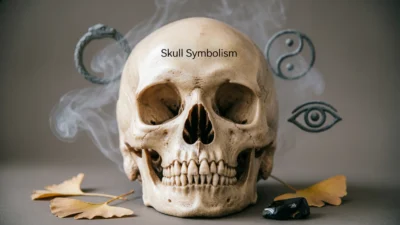
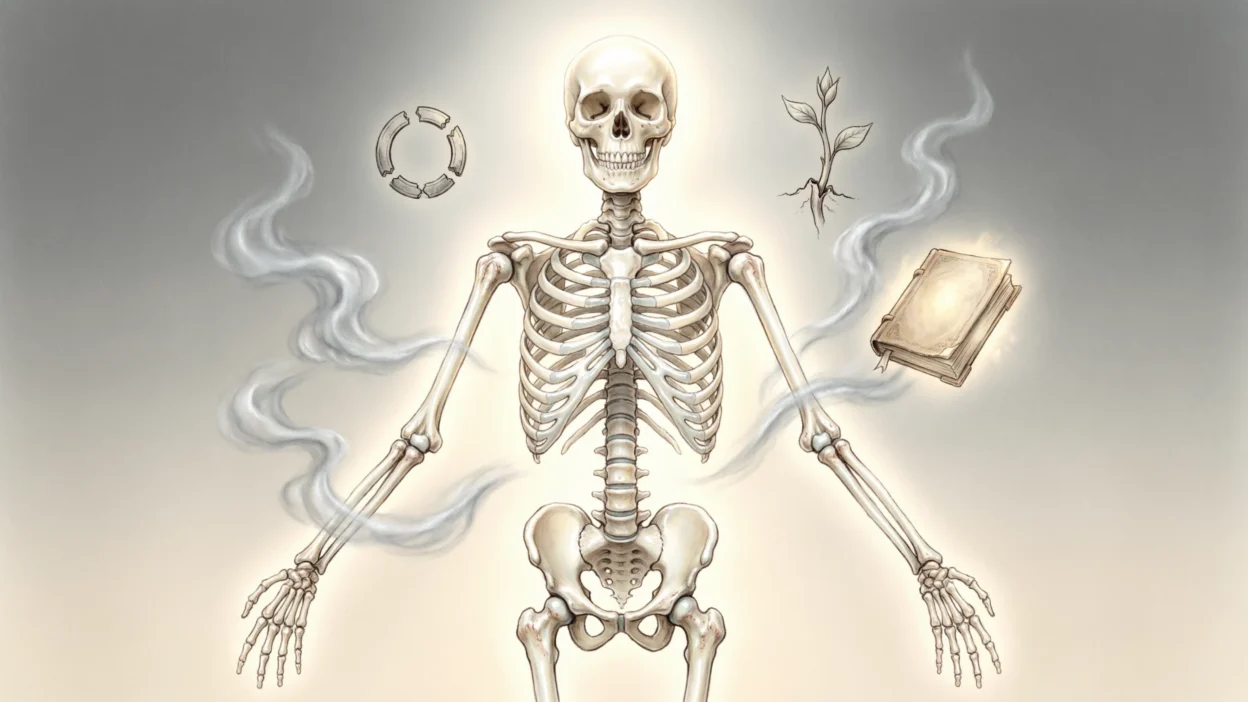
Skeleton symbolism has long represented mortality, transformation, and the deeper structure of life. As the framework beneath the body, a skeleton symbolizes what remains when everything else is stripped away—truth, essence, and the cycle of life and death.
Across cultures and traditions, skeletons are not only linked to death but also to rebirth, protection, and spiritual continuity.
Understanding skeleton symbolism helps explain why skeletons appear in mythology, religion, art, and dreams.
They reflect both the inevitability of mortality and the enduring nature of the human spirit.
Skeleton Symbolism Meaning (Clear Definition)
Skeleton symbolism refers to the symbolic meanings associated with skeletons, including mortality, transformation, truth, and the underlying structure of existence.
Because skeletons represent the body’s core framework, they often symbolize the essence of life, stripped of illusion or surface appearance. They also reflect the natural cycle of life, death, and renewal.
Common meanings connected to skeleton symbolism include:
- Mortality and the passage of time
- Transformation and rebirth
- Truth and inner essence
- Strength and structure
- Continuity beyond physical life
These meanings make skeletons powerful symbols of life’s deeper reality and enduring nature.
What Does Skeleton Symbolism Represent?
Skeleton symbolism can represent multiple ideas depending on cultural and emotional context.
Common Symbolic Meanings of Skeletons
| Symbolic Meaning | Explanation |
|---|---|
| Mortality | Skeletons remind us of life’s temporary nature |
| Transformation | Represent the transition between life and death |
| Truth | Symbolize what remains beneath appearances |
| Structure | Reflect the foundation that supports life |
| Rebirth | Associated with cycles of renewal |
| Protection | In some cultures, skeletons guard spiritual realms |
Because of these meanings, skeletons often appear in spiritual traditions, folklore, and artistic expression.
Secondary keywords related to skeleton symbolism include:
- skeleton spiritual meaning
- symbolism of skeleton
- skeleton meaning in dreams
- skeleton symbolism in culture
- skeleton symbolism in art
- skeleton meaning spiritually
- skeleton symbolism in mythology
Spiritual Meaning of Skeleton Symbolism
Spiritually, skeletons often symbolize transformation, eternity, and the soul beyond the physical body.
Skeleton symbolism is commonly associated with:
- The transition between life and death
- The eternal nature of the soul
- Letting go of the physical world
- Spiritual rebirth and renewal
Rather than representing fear, skeletons can symbolize acceptance of life’s cycles and deeper spiritual understanding.
They remind us that true essence goes beyond physical form.
Biblical / Religious Meaning of Skeleton Symbolism
In religious symbolism, skeletons are often connected with mortality, resurrection, and spiritual awakening.
They may represent:
- Human mortality and humility
- The promise of resurrection or renewal
- The temporary nature of physical life
In some interpretations, bones symbolize life returning after death, emphasizing hope and renewal.
Skeleton imagery often reflects the idea that life continues beyond physical existence.
Skeleton Symbolism in History and Culture
Skeleton symbolism has appeared in many cultural traditions and historical practices.
Ancient Cultures
Skeletons were sometimes used to represent ancestors and the continuation of life beyond death.
Mexican Traditions
Skeleton imagery symbolizes celebration of life and remembrance of loved ones.
European Traditions
Skeletons often symbolized mortality and the passage of time.
Modern Culture
Today, skeletons represent both fear and fascination with life, death, and identity.
These cultural meanings show how skeletons symbolize both endings and new beginnings.
Skeleton Symbolism in Literature and Art
Skeleton symbolism is widely used in literature and art to explore deep themes.
In literature, skeletons may symbolize:
- Death and mortality
- Hidden truths
- Transformation or rebirth
- The passage of time
In visual art, skeletons are often used to create powerful imagery representing life’s fragility and enduring structure.
They can also symbolize the contrast between life and death.
Dream Meaning of Skeleton Symbolism
Seeing a skeleton in dreams often reflects deep thoughts about life, identity, or change.
Common Skeleton Dream Interpretations
- Seeing a skeleton – awareness of mortality or truth
- Talking skeleton – confronting hidden fears or truths
- Moving skeleton – transformation or change
- Holding bones – connection to past experiences or memories
Skeleton dreams often symbolize transformation, truth, or reflection on life’s deeper meaning.
Modern Meaning of Skeleton Symbolism
In modern society, skeleton symbolism continues to appear in art, psychology, and popular culture.
Skeletons in Psychology
Skeletons can symbolize:
- The core identity beneath external appearances
- Awareness of mortality
- Emotional or psychological transformation
They often represent the deeper layers of identity and truth.
Skeletons in Media and Design
In films, fashion, and design, skeletons often represent:
- Mystery and the unknown
- Transformation and rebirth
- The contrast between life and death
Skeleton imagery frequently symbolizes both fear and fascination with existence.
FAQs About Skeleton Symbolism
What does a skeleton symbolize spiritually?
Spiritually, a skeleton symbolizes transformation, the eternal soul, and the cycle of life, death, and rebirth.
What does a skeleton represent emotionally?
Emotionally, skeletons can represent fear of mortality, truth, or deep reflection on life’s meaning.
What does a skeleton mean in dreams?
Skeletons in dreams often symbolize transformation, hidden truths, or awareness of life’s deeper realities.
Why are skeletons associated with death?
Skeletons remain after the body decays, making them natural symbols of mortality and the passage of time.
Do skeletons symbolize rebirth?
Yes, in many traditions skeletons symbolize rebirth, representing the transition from one state of existence to another.
Conclusion
Skeleton symbolism reflects the profound themes of mortality, transformation, and truth. Across cultures and traditions, skeletons remind us of life’s temporary nature and the deeper essence that remains.
Whether appearing in dreams, art, or spiritual teachings, skeletons symbolize the enduring cycle of life, death, and renewal.

Mike Poop is a dedicated writer at Symboliy.com, creating clear, practical content about language, communication, and everyday expressions to help readers understand meaning and usage confidently in professional contexts worldwide.