
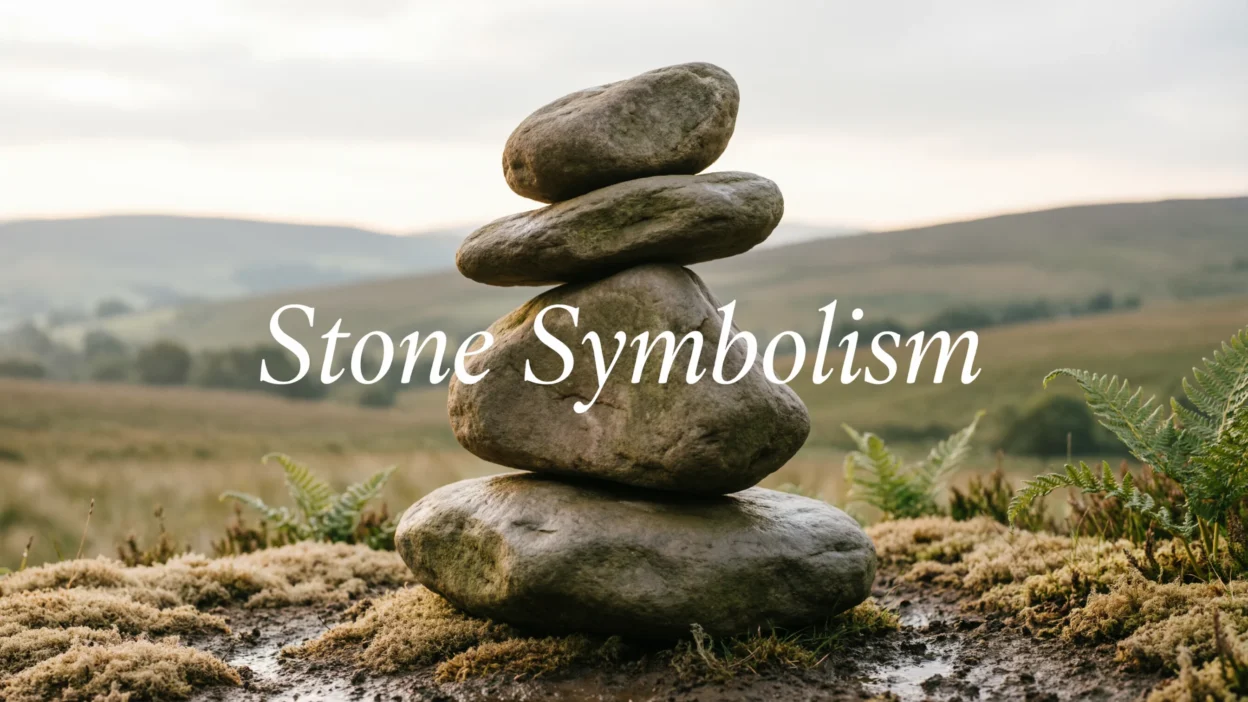
Stone symbolism has been part of human culture for thousands of years, representing strength, stability, and connection to the earth. From ancient rituals to modern interpretations, stones carry powerful meanings that reflect endurance, grounding, and resilience.
Whether seen in nature, dreams, or spiritual practices, stones symbolize the solid foundation on which life is built.
Stone Symbolism Meaning (Clear Definition)
Stone symbolism refers to the meanings and ideas associated with stones as natural elements. Stones are often seen as symbols of strength, permanence, grounding, and protection.
Unlike fleeting elements, stones endure over time, making them powerful representations of stability and reliability. They remind us of the importance of staying grounded while navigating life’s challenges.
What Does Stone Symbolism Represent?
Stone symbolism reflects several core aspects of human experience and natural balance:
- Strength and Resilience – Stones withstand pressure and time
- Stability and Grounding – A connection to the earth and reality
- Protection and Security – A shield against harm or negativity
- Endurance and Permanence – Long-lasting presence and reliability
- Foundation and Support – The base upon which things are built
Common Stone Symbolic Meanings
| Symbolism | Meaning Description |
|---|---|
| Strength | Physical and emotional toughness |
| Stability | Balance and grounding in life |
| Protection | Safety and defense against negativity |
| Endurance | Ability to last through challenges |
| Foundation | Support, structure, and reliability |
| Timelessness | Connection to eternity and lasting presence |
Spiritual Meaning of Stone Symbolism
Spiritually, stones are deeply connected to the earth’s energy. They are often seen as grounding tools that help individuals stay centered and balanced.
Stones symbolize:
- Connection to nature and the physical world
- Inner strength and emotional stability
- Energy absorption and grounding
Many traditions believe stones absorb and hold energy, helping to release negativity and promote calmness. They remind us to remain steady, even during uncertain times.
Biblical / Religious Meaning of Stone Symbolism
In religious texts, stones often carry profound symbolic meaning. In the Bible, stones are used to represent faith, strength, and divine presence.
Examples include:
- Stones used as memorials or altars
- The idea of a “cornerstone,” symbolizing a strong foundation
- References to unshakable faith compared to solid rock
Stones are often seen as symbols of endurance, truth, and spiritual grounding.
Stone Symbolism in History and Culture
Across civilizations, stones have played a vital symbolic role:
- Ancient monuments like stone circles and temples represented power and eternity
- Greek and Roman cultures used stones in architecture to symbolize strength and legacy
- Asian traditions associated stones with balance, harmony, and natural energy
- Indigenous cultures viewed stones as sacred objects connected to the earth’s spirit
Historically, stones symbolized protection, permanence, and connection to the divine.
Stone Symbolism in Literature and Art
In literature and art, stones often carry rich symbolic meanings:
- Strength and emotional resilience
- Silence and hidden depth
- Obstacles or burdens
A stone can represent both something solid and something heavy—symbolizing challenges that must be overcome or truths that remain unchanged.
Artists often use stone imagery to convey endurance, timelessness, and the passage of time.
Dream Meaning of Stone Symbolism
Seeing stones in dreams can reveal important insights about your emotional or mental state.
Common interpretations include:
- Holding a stone – Strength and control in your life
- Throwing a stone – Releasing anger or frustration
- Heavy stones – Burdens or responsibilities
- Walking on stones – Stability and careful progress
Stone dreams often reflect how grounded, strong, or burdened you feel in waking life.
Modern Meaning of Stone Symbolism
Today, stone symbolism continues to evolve while maintaining its core meanings.
In modern contexts, stones represent:
- Mental strength and emotional resilience
- Minimalism and natural beauty in design
- Grounding in a fast-paced world
- Personal growth built on strong foundations
Whether used in landscaping, architecture, or mindfulness practices, stones symbolize a return to simplicity, stability, and authenticity.
FAQs About Stone Symbolism
What does stone symbolism mean?
Stone symbolism represents strength, stability, protection, and a deep connection to the earth and lasting foundations.
What do stones symbolize spiritually?
Spiritually, stones symbolize grounding, balance, and the ability to stay strong during life’s challenges.
What does a stone represent in the Bible?
In the Bible, stones often represent faith, strength, and a solid spiritual foundation.
What does it mean to dream about stones?
Dreaming about stones usually reflects strength, burdens, or stability depending on the context of the dream.
Why are stones important symbolically?
Stones are important because they represent endurance, reliability, and the natural strength found in the physical world.
Conclusion
Stone symbolism reminds us of the power of strength, stability, and endurance. In a constantly changing world, stones stand as timeless symbols of grounding and resilience.
They encourage us to build strong foundations and remain steady, no matter what life brings.

Mike Poop is a dedicated writer at Symboliy.com, creating clear, practical content about language, communication, and everyday expressions to help readers understand meaning and usage confidently in professional contexts worldwide.