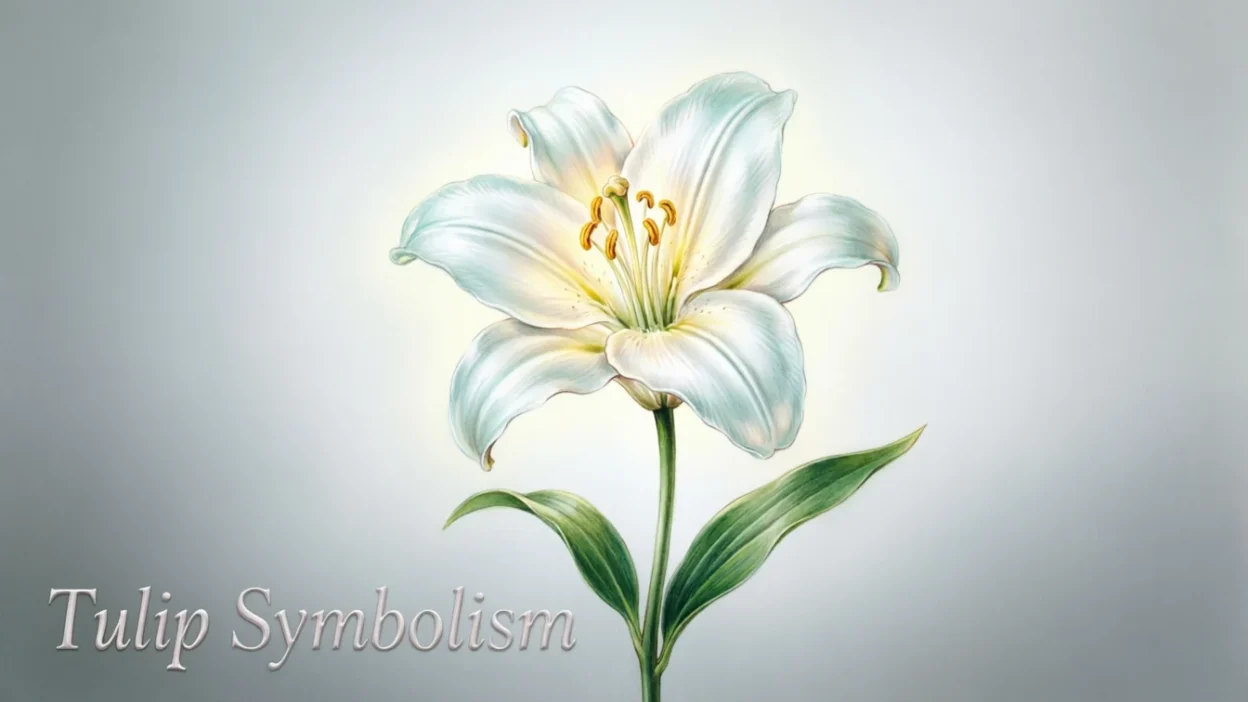
Tulip symbolism has captured human imagination for centuries. Known for their vibrant colors and elegant shape, tulips often represent love, renewal, and deep emotional expression.
These beautiful flowers appear in gardens, artwork, and cultural traditions around the world, carrying meanings that go far beyond their simple beauty.
From romantic gestures to spiritual symbolism, tulips are widely associated with affection, hope, and the promise of new beginnings.
Tulip Symbolism Meaning (Clear Definition)
Tulip symbolism refers to the meanings and interpretations people associate with tulip flowers in culture, spirituality, art, and everyday life.
In general, tulips symbolize:
- Perfect love
- Renewal and fresh beginnings
- Beauty and elegance
- Prosperity and abundance
- Emotional connection
Because tulips bloom in early spring, they are often seen as a symbol of rebirth, optimism, and the start of a new chapter in life.
What Does Tulip Symbolism Represent?
Tulips carry a variety of symbolic meanings depending on their color and context. Across cultures, they often represent heartfelt emotions and positive life transitions.
Common Symbolic Meanings of Tulips
| Tulip Symbolism | Meaning |
|---|---|
| Love | Often symbolizes perfect and sincere love |
| Renewal | Represents new beginnings and fresh opportunities |
| Happiness | Associated with joy and emotional warmth |
| Prosperity | Linked to success and abundance |
| Grace | Reflects elegance and natural beauty |
Different tulip colors add additional layers of symbolism:
- Red tulips: true love and passion
- Pink tulips: admiration and affection
- Yellow tulips: happiness and cheerful energy
- White tulips: forgiveness and peace
- Purple tulips: royalty and respect
These meanings contribute to the broader symbolism of flowers used to express emotions and relationships.
Spiritual Meaning of Tulip Symbolism
Spiritually, tulips often represent growth, transformation, and inner awakening. Their ability to bloom after the cold winter months symbolizes resilience and the power of renewal.
In spiritual symbolism, tulips can represent:
- Personal growth and transformation
- Hope during difficult times
- Emotional healing
- Spiritual renewal
The tulip’s upward-facing bloom also reflects the idea of rising toward positivity and enlightenment.
Biblical / Religious Meaning of Tulip Symbolism
Tulips are not specifically mentioned in the Bible, but many religious traditions interpret them as symbols of divine love and spiritual rebirth.
Because tulips bloom in spring, they are sometimes associated with themes similar to those found in Easter symbolism, such as:
- Resurrection and renewal
- Faith and hope
- The beauty of divine creation
In religious art and symbolism, tulips can represent the abundance and generosity of nature provided by God.
Tulip Symbolism in History and Culture
Tulips have played an important role in cultural history, especially in the Netherlands, where they became a symbol of wealth and beauty.
During the 17th century, a period known as Tulip Mania occurred when tulip bulbs became extremely valuable and were traded like luxury items.
Across cultures:
- Ottoman Empire: Tulips symbolized paradise and divine beauty.
- Dutch culture: The flower became a national icon of prosperity and pride.
- Persian culture: Tulips represented deep and passionate love.
These historical connections helped strengthen the association between tulips and wealth, beauty, and emotional expression.
Tulip Symbolism in Literature and Art
In literature and visual art, tulips are often used to symbolize love, elegance, and fleeting beauty.
Writers and artists use tulips to express themes such as:
- Romantic affection
- Emotional depth
- The beauty of life’s temporary moments
Because tulips bloom briefly but beautifully, they are sometimes used as metaphors for the delicate and temporary nature of happiness or love.
Dream Meaning of Tulip Symbolism
Dreaming about tulips is generally considered a positive symbol associated with emotional fulfillment and growth.
Common dream interpretations include:
- Blooming tulips: new opportunities and positive change
- Red tulips: romantic love or deep affection
- White tulips: forgiveness or emotional peace
- Planting tulips: preparing for a hopeful future
Tulips in dreams often reflect optimism, emotional clarity, and personal renewal.
Modern Meaning of Tulip Symbolism
Today, tulips remain one of the most meaningful and popular flowers in modern life.
They are frequently used in:
- Romantic gestures
- Spring celebrations
- Expressions of gratitude
- Messages of encouragement and hope
In modern symbolism, tulips represent:
- Love and appreciation
- Joy and positivity
- Renewal and fresh starts
- Emotional warmth and kindness
Their bright colors and elegant shape continue to make tulips a powerful symbol of life, beauty, and heartfelt emotion.
FAQs About Tulip Symbolism
What do tulips symbolize?
Tulips commonly symbolize perfect love, happiness, renewal, and emotional warmth. They are often associated with spring and new beginnings.
What is the spiritual meaning of tulips?
Spiritually, tulips represent personal growth, transformation, hope, and emotional healing after difficult periods.
What do red tulips symbolize?
Red tulips symbolize deep love, romance, and passionate affection.
Are tulips symbols of new beginnings?
Yes, because tulips bloom in spring, they are widely viewed as symbols of renewal, fresh starts, and new opportunities.
What does dreaming of tulips mean?
Dreaming of tulips often suggests emotional happiness, romantic feelings, or the arrival of positive changes in life.
Conclusion
Tulip symbolism continues to inspire people across cultures because it reflects some of life’s most uplifting ideas—love, renewal, beauty, and hope. From historical traditions to modern celebrations, tulips remain a powerful reminder that every new season brings the possibility of growth and happiness.
Their bright blooms encourage us to embrace change and appreciate the beauty of fresh beginnings.

Mike Poop is a dedicated writer at Symboliy.com, creating clear, practical content about language, communication, and everyday expressions to help readers understand meaning and usage confidently in professional contexts worldwide.