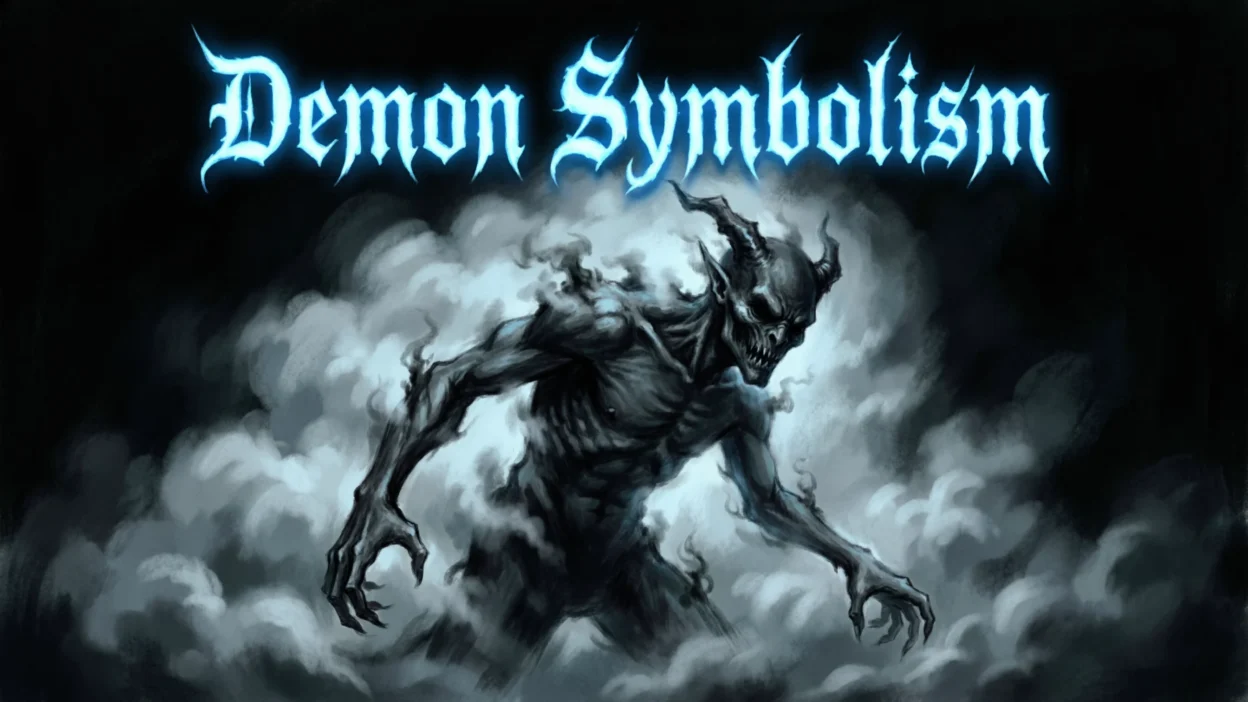
Demon symbolism has fascinated humanity for centuries, representing far more than just evil or fear. Across cultures, religions, and psychological interpretations, demons symbolize inner struggles, temptation, transformation, and even suppressed aspects of the human mind.
Understanding demon symbolism helps uncover deeper truths about human nature, spirituality, and the balance between light and darkness.
Demon Symbolism Meaning (Clear Definition)
Demon symbolism refers to the representation of demons as symbolic figures rather than literal beings. They often embody:
- Inner fears and anxieties
- Temptation and moral conflict
- Negative emotions or destructive behaviors
- Repressed thoughts or shadow aspects of the psyche
In simple terms, demons symbolize the challenges within us that must be understood, confronted, or transformed.
What Does Demon Symbolism Represent?
Demon symbolism can represent a wide range of meanings depending on context. Here are the most common interpretations:
- Inner Darkness: Hidden fears, guilt, or unresolved trauma
- Temptation: Moral struggles and choices between right and wrong
- Chaos and Rebellion: Opposition to order, authority, or control
- Transformation: Facing demons can symbolize growth and self-awareness
- Addiction or Obsession: Losing control to harmful habits
Quick Symbolism Overview
| Symbol Aspect | Meaning |
|---|---|
| Darkness | Fear, unknown, subconscious mind |
| Fire | Destruction, passion, purification |
| Shadows | Hidden self, secrets, denial |
| Possession | Loss of control, external influence |
| Horns/Wings | Power, duality, fallen nature |
Spiritual Meaning of Demon Symbolism
Spiritually, demon symbolism is often less about external evil and more about internal imbalance.
Many belief systems interpret demons as:
- Spiritual obstacles that test faith and resilience
- Ego-driven desires that distract from higher purpose
- Energetic imbalances within the soul
Facing demons in a spiritual sense often means confronting your fears, healing emotional wounds, and aligning with your higher self.
Biblical / Religious Meaning of Demon Symbolism
In religious contexts, especially in Christianity and Islam, demon symbolism carries strong moral and spiritual implications.
- In Christianity, demons are often seen as fallen angels representing sin, temptation, and separation from God
- In Islamic teachings, similar entities (like jinn with negative intent) symbolize misguidance and spiritual deviation
- In other traditions, demons may act as guardians, tricksters, or karmic forces
Despite differences, a common theme remains: demons represent forces that challenge moral integrity and spiritual growth.
Demon Symbolism in History and Culture
Throughout history, demon symbolism has evolved across civilizations:
- Ancient Mesopotamia: Demons were both harmful and protective forces
- Greek Mythology: Daimons were neutral spirits guiding fate
- Medieval Europe: Demons became strongly associated with evil and the devil
- Asian Cultures: Some demons symbolize wisdom, justice, or karmic balance
Cultural context plays a huge role—what is “demonic” in one society may be protective or sacred in another.
Demon Symbolism in Literature and Art
In literature and art, demon symbolism is often used to explore complex human emotions and moral dilemmas.
- Represents inner conflict in characters
- Symbolizes corruption or moral decay
- Acts as a metaphor for power, rebellion, or forbidden knowledge
From classic literature to modern films, demons are rarely just villains—they reflect the human condition in its rawest form.
Dream Meaning of Demon Symbolism
Dreaming of demons can be unsettling, but it often carries important psychological messages.
Common interpretations include:
- Facing fears: You are confronting something you’ve been avoiding
- Emotional stress: Anxiety, guilt, or pressure in waking life
- Loss of control: Feeling overwhelmed or powerless
- Transformation: A sign of personal growth through struggle
Instead of fear, these dreams can be seen as invitations to self-reflection.
Modern Meaning of Demon Symbolism
In today’s world, demon symbolism is often used metaphorically:
- “Fighting your demons” refers to overcoming personal struggles
- Represents mental health challenges, such as anxiety or addiction
- Symbolizes internal conflict in personal development
Modern interpretations focus less on literal evil and more on psychological and emotional realities.
FAQs About Demon Symbolism
What does demon symbolism mean in simple terms?
Demon symbolism represents inner struggles, negative emotions, or challenges that a person must confront or overcome.
Is demon symbolism always negative?
Not always. It can also symbolize transformation, self-awareness, and growth through overcoming difficulties.
What does it mean to dream about demons?
It usually reflects fear, stress, or unresolved issues in your waking life rather than something supernatural.
How is demon symbolism used in spirituality?
It represents inner obstacles, ego-driven desires, and spiritual challenges that help individuals grow and evolve.
Why do demons appear in so many cultures?
They serve as universal symbols for fear, morality, chaos, and the unknown aspects of human existence.
Conclusion
Demon symbolism goes far beyond fear and darkness—it reveals the deeper layers of human experience. Whether viewed spiritually, psychologically, or culturally, demons reflect the battles we all face within ourselves.
By understanding this symbolism, we gain insight, strength, and the ability to transform challenges into growth.

Here is a professional 30-word author biography including your site name Symboliy.com:
Martin Hood is a professional writer at Symboliy.com, creating clear, informative content focused on language, communication, and meaningful expressions for everyday and professional use.