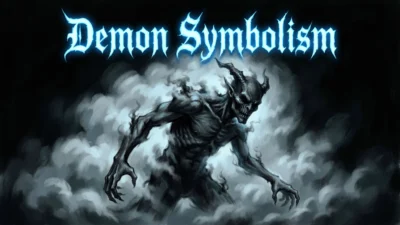
Devil symbolism has fascinated humanity for centuries, appearing in religion, art, dreams, and modern culture. Often associated with evil, temptation, and rebellion, the devil is far more complex than a simple villain.
Understanding devil symbolism reveals deeper truths about human nature, morality, fear, and transformation.
Let’s explore what the devil truly represents and how its symbolism continues to shape beliefs and ideas across time.
Devil Symbolism Meaning (Clear Definition)
Devil symbolism refers to the representation of evil forces, temptation, inner conflict, and moral struggle. It often embodies the darker aspects of human nature—such as greed, desire, and deception—while also serving as a symbol of rebellion and independence.
In simple terms:
The devil symbolizes the tension between right and wrong within human existence.
What Does Devil Symbolism Represent?
Devil symbolism carries multiple interpretations depending on context. While commonly feared, it also reflects deeper psychological and emotional realities.
Key Representations:
- Temptation and Desire – The pull toward forbidden or harmful choices
- Evil and Darkness – Negative forces or destructive behaviors
- Rebellion – Defiance against authority or societal norms
- Deception and Illusion – Misleading appearances or hidden truths
- Inner Conflict – The struggle between conscience and impulse
Quick Summary Table
| Symbolic Aspect | Meaning Explanation |
|---|---|
| Temptation | Attraction to risky or immoral choices |
| Evil | Representation of harmful intentions |
| Rebellion | Resistance against control or authority |
| Illusion | False beliefs or manipulation |
| Shadow Self | Hidden, suppressed parts of personality |
Spiritual Meaning of Devil Symbolism
Spiritually, devil symbolism is not always about an external evil force. Instead, it often points inward.
It represents:
- The ego and attachment to material desires
- The shadow self—unacknowledged fears, anger, or impulses
- A spiritual test, challenging personal growth and awareness
In many spiritual traditions, encountering “the devil” is symbolic of facing one’s own limitations and choosing higher consciousness over instinct.
Biblical / Religious Meaning of Devil Symbolism
In religious contexts, devil symbolism is most strongly associated with Satan, a figure representing opposition to divine goodness.
Core Religious Interpretations:
- Tempter of Humanity – Encourages sin and moral downfall
- Adversary of God – Represents opposition to divine will
- Fallen Angel – A being cast out due to pride and rebellion
In Christianity, the devil symbolizes the consequences of free will and the ongoing battle between good and evil.
Devil Symbolism in History and Culture
Across history, devil symbolism has evolved beyond religion into cultural expression.
- In medieval Europe, the devil symbolized fear, punishment, and moral warning
- In folklore, the devil often appears as a trickster making deals with humans
- In Eastern traditions, similar figures represent illusion or ignorance rather than pure evil
Culturally, the devil has also been used to challenge authority, question morality, and explore human freedom.
Devil Symbolism in Literature and Art
Writers and artists have long used devil symbolism to explore complex human themes.
Common Themes in Creative Works:
- The Deal with the Devil – Trading morality for power or success
- Moral Ambiguity – Blurring lines between good and evil
- Inner Demons – Psychological struggles and guilt
From classical literature to modern films, the devil often represents the consequences of choices and the cost of ambition.
Dream Meaning of Devil Symbolism
Dreaming about the devil can feel intense, but it usually carries symbolic meaning rather than literal danger.
Common Interpretations:
- Facing Temptation – You may be dealing with a difficult decision
- Guilt or Fear – Unresolved emotions surfacing in the subconscious
- Loss of Control – Feeling overwhelmed or manipulated
- Transformation – Confronting fears to grow stronger
Dreams involving devil symbolism often encourage self-reflection rather than fear.
Modern Meaning of Devil Symbolism
In today’s world, devil symbolism has become more nuanced and sometimes even playful.
- Used in fashion and media to symbolize confidence or rebellion
- Represents breaking rules or embracing individuality
- Appears in psychology as a metaphor for internal struggles
Rather than pure evil, modern interpretations often focus on balance—acknowledging both light and dark aspects of identity.
FAQs About Devil Symbolism
What does devil symbolism mean in simple terms?
Devil symbolism represents temptation, inner conflict, and the darker side of human nature.
Is devil symbolism always negative?
Not always. It can also symbolize self-awareness, transformation, and the courage to face inner struggles.
What does seeing the devil in a dream mean?
It often reflects fear, guilt, or temptation rather than literal evil.
Why is the devil associated with temptation?
Because it represents desires that challenge moral values and self-control.
Can devil symbolism represent strength?
Yes, in modern contexts it can symbolize rebellion, independence, and personal power.
Conclusion
Devil symbolism goes far beyond fear and evil—it reflects the complexity of human nature. It reminds us of the constant choices we make between right and wrong, desire and discipline, illusion and truth. By understanding its deeper meaning, we gain insight into ourselves and the world around us.

Here is a professional 30-word author biography including your site name Symboliy.com:
Martin Hood is a professional writer at Symboliy.com, creating clear, informative content focused on language, communication, and meaningful expressions for everyday and professional use.