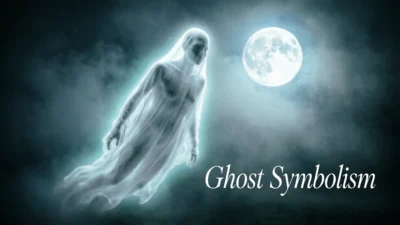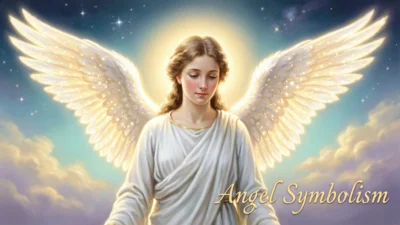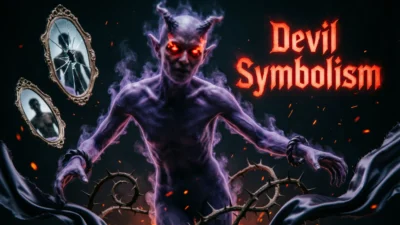
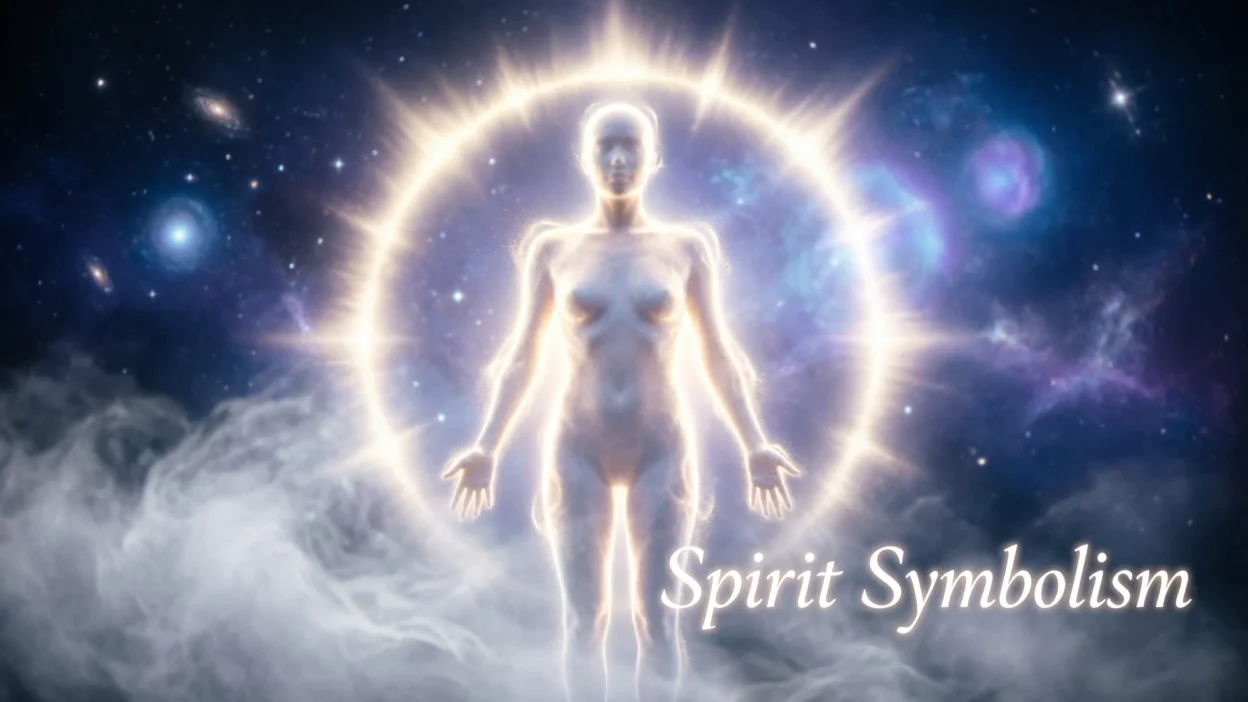
Spirit symbolism explores the invisible forces that shape our thoughts, emotions, and sense of purpose. Whether seen in dreams, religion, or personal growth, the idea of “spirit” often represents something beyond the physical—something deeply meaningful and transformative.
Understanding spirit symbolism can help you connect with your inner self, interpret life’s signs, and find clarity in uncertain moments.
Spirit Symbolism Meaning (Clear Definition)
Spirit symbolism refers to the representation of the non-physical essence of a person, being, or energy. It often symbolizes life force, consciousness, inner truth, and divine connection.
In simple terms, spirit symbolizes what cannot be seen but can be felt—your soul, energy, or higher awareness.
What Does Spirit Symbolism Represent?
Spirit symbolism carries a wide range of meanings depending on context, culture, and belief systems. Common interpretations include:
- Inner self or soul
- Life energy or vitality
- Connection to the divine or higher power
- Freedom from physical limitations
- Guidance, intuition, and wisdom
Quick Symbolism Overview
| Symbolic Aspect | Meaning |
|---|---|
| Soul | True essence of a person |
| Energy | Life force and vitality |
| Guidance | Inner wisdom or spiritual direction |
| Freedom | Release from physical constraints |
| Transformation | Growth and spiritual evolution |
Spiritual Meaning of Spirit Symbolism
On a spiritual level, spirit symbolism reflects awakening, enlightenment, and connection to something greater than oneself.
It often signifies:
- Higher consciousness – awareness beyond the material world
- Spiritual growth – evolving through experiences
- Divine presence – feeling guided or protected
- Unity – connection with all living things
Many people associate spirit symbolism with personal transformation—moments when they feel aligned with their purpose or inner truth.
Biblical / Religious Meaning of Spirit Symbolism
In religious contexts, spirit symbolism is deeply significant.
- In Christianity, the Holy Spirit represents God’s presence, guidance, and power within believers.
- In Islam, the concept of ruh refers to the divine breath that gives life.
- In Hinduism, spirit is linked to Atman, the eternal soul.
Across religions, spirit symbolism consistently points to divine life force, moral guidance, and eternal existence.
Spirit Symbolism in History and Culture
Throughout history, spirit symbolism has appeared in rituals, myths, and traditions across civilizations.
- Ancient cultures believed spirits connected humans to nature and ancestors
- Indigenous traditions often view spirit as part of all living beings
- Eastern philosophies emphasize harmony between body, mind, and spirit
In many cultures, spirit symbolism also relates to ancestor worship, protection, and unseen energies influencing daily life.
Spirit Symbolism in Literature and Art
In literature and art, spirit symbolism is often used to express abstract ideas like identity, morality, and transcendence.
Writers and artists use spirit to represent:
- The struggle between good and evil
- Inner conflict and emotional depth
- Freedom from societal constraints
- The journey of self-discovery
Spiritual imagery—like light, wind, or ethereal figures—often symbolizes unseen forces shaping human experience.
Dream Meaning of Spirit Symbolism
Dreaming about spirits can feel intense, but it usually carries symbolic meaning rather than literal interpretation.
Common dream meanings include:
- Seeing a spirit – awareness of hidden truths
- Being guided by a spirit – need for direction in life
- Fear of a spirit – unresolved emotions or anxiety
- Communicating with a spirit – desire for closure or insight
Spirit symbolism in dreams often reflects your subconscious mind processing emotions, memories, or spiritual questions.
Modern Meaning of Spirit Symbolism
Today, spirit symbolism is often connected to personal growth, mindfulness, and self-awareness.
In modern life, it can represent:
- Inner peace and balance
- Mental clarity and emotional strength
- Purpose and authenticity
- Connection to the universe or energy flow
Many people explore spirit symbolism through meditation, journaling, or self-reflection as a way to better understand themselves.
FAQs About Spirit Symbolism
What is the main meaning of spirit symbolism?
Spirit symbolism mainly represents the soul, inner energy, and connection to something beyond the physical world.
Is spirit symbolism always religious?
No, it can be spiritual, philosophical, or psychological depending on personal beliefs and context.
What does seeing a spirit symbolize?
Symbolically, it may represent hidden truths, intuition, or unresolved emotions rather than a literal presence.
How does spirit symbolism relate to personal growth?
It often reflects inner transformation, self-awareness, and alignment with your deeper purpose.
Can spirit symbolism appear in everyday life?
Yes, it can show up through feelings, dreams, intuition, or meaningful experiences that guide your decisions.
Conclusion
Spirit symbolism reminds us that life is more than what we see—it’s about what we feel, believe, and experience internally. Whether interpreted through religion, dreams, or personal insight, it points to a deeper truth: the essence of who we are goes beyond the physical. By understanding spirit symbolism, you can gain clarity, strengthen your intuition, and connect more deeply with your purpose.

Here is a professional 30-word author biography including your site name Symboliy.com:
Martin Hood is a professional writer at Symboliy.com, creating clear, informative content focused on language, communication, and meaningful expressions for everyday and professional use.