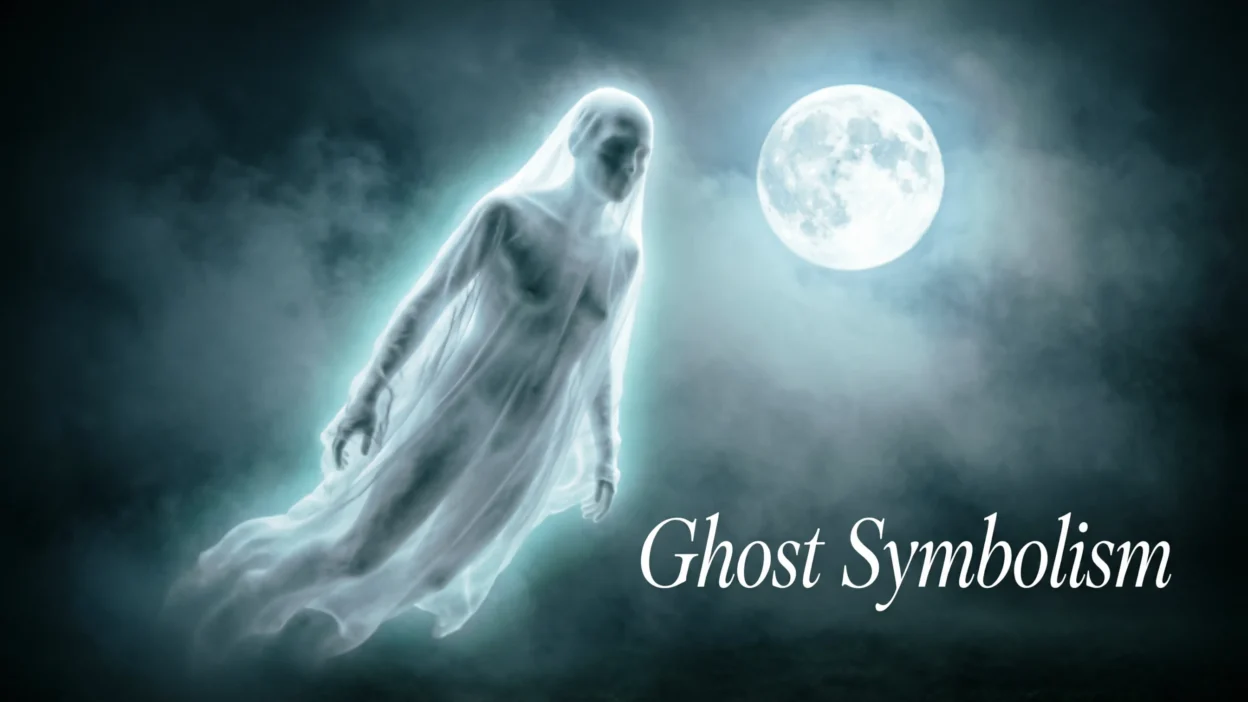
Ghost symbolism has fascinated people for centuries, representing mystery, the unknown, and the connection between life and death.
Whether appearing in dreams, stories, or spiritual beliefs, ghost symbolism often points to unresolved emotions, lingering memories, or unseen energies.
Understanding ghost symbolism can help you uncover deeper truths about your fears, past experiences, and personal transformation.
Ghost Symbolism Meaning (Clear Definition)
Ghost symbolism refers to the representation of spirits or lingering energies that exist beyond physical life, often tied to memory, emotion, or unfinished business.
In simple terms, a ghost symbolizes something that remains—whether it’s a feeling, experience, or connection that hasn’t fully faded.
What Does Ghost Symbolism Represent?
Ghost symbolism carries multiple meanings depending on context and perspective. Common interpretations include:
- Unresolved emotions or past trauma
- Memory and nostalgia
- Fear of the unknown
- Spiritual presence or energy
- Transformation and transition
Quick Symbolism Overview
| Symbolic Aspect | Meaning |
|---|---|
| Unfinished Business | Issues or emotions not fully resolved |
| Memory | Lingering thoughts from the past |
| Fear | Anxiety about the unknown |
| Presence | Invisible or spiritual awareness |
| Change | Transition between life phases |
Spiritual Meaning of Ghost Symbolism
Spiritually, ghost symbolism often represents the connection between the physical and non-physical realms.
It can signify:
- Energy that hasn’t moved on
- Spiritual messages or guidance
- Awareness of unseen dimensions
- Personal awakening and reflection
Many interpret ghost symbolism as a reminder to address unresolved issues and embrace emotional healing.
Biblical / Religious Meaning of Ghost Symbolism
In religious contexts, ghost symbolism is interpreted differently depending on belief systems.
- In Christianity, ghosts are sometimes viewed as spirits, but emphasis is placed more on the soul’s journey after death.
- In Islam, spirits are understood through concepts like ruh, but ghosts as commonly imagined are not emphasized in the same way.
- Other traditions may interpret ghost-like presences as spiritual beings or energies.
Overall, ghost symbolism in religion often relates to life after death, divine order, and spiritual accountability.
Ghost Symbolism in History and Culture
Ghost symbolism appears in nearly every culture around the world.
- Ancient societies believed ghosts were spirits of the deceased visiting the living
- In Asian cultures, ghosts are often linked to ancestors and respect for the dead
- Western traditions frequently portray ghosts as haunted or restless souls
Festivals, folklore, and rituals often reflect beliefs about spirits, showing how ghost symbolism connects deeply with cultural identity.
Ghost Symbolism in Literature and Art
In literature and art, ghost symbolism is used to explore complex human emotions and themes.
It often represents:
- Guilt or regret from the past
- The persistence of memory
- Moral lessons or warnings
- The thin boundary between reality and imagination
Ghosts in stories often act as symbols of truth, revealing what characters try to hide.
Dream Meaning of Ghost Symbolism
Dreaming about ghosts is common and usually symbolic rather than literal.
Possible interpretations include:
- Seeing a ghost – unresolved past experiences
- Being chased by a ghost – avoiding something important
- Talking to a ghost – seeking closure or understanding
- Friendly ghost – acceptance of past events
Ghost symbolism in dreams often reflects your subconscious mind working through emotions and memories.
Modern Meaning of Ghost Symbolism
In today’s world, ghost symbolism is often less about fear and more about psychology and self-awareness.
Modern interpretations include:
- Letting go of the past
- Facing hidden fears
- Emotional healing and closure
- Awareness of mental and emotional patterns
Ghost symbolism today often encourages introspection and personal growth rather than superstition.
FAQs About Ghost Symbolism
What does ghost symbolism mean?
Ghost symbolism generally represents unresolved emotions, memories, or connections that continue to influence the present.
Are ghosts always a negative symbol?
No, they can also symbolize guidance, reflection, or the need for emotional closure.
What does dreaming about ghosts mean?
It often reflects unresolved issues, hidden fears, or the need to confront past experiences.
Is ghost symbolism spiritual or psychological?
It can be both, depending on personal beliefs and interpretation.
Why do ghosts appear in stories so often?
They symbolize deep human emotions like guilt, memory, and the fear of the unknown.
Conclusion
Ghost symbolism reminds us that the past is never truly gone—it shapes who we are and how we move forward.
Whether seen as spiritual signs or psychological reflections, ghosts represent the need to face unresolved emotions and embrace growth.
By understanding ghost symbolism, you can gain insight into your inner world and move toward clarity and peace.

Mike Poop is a dedicated writer at Symboliy.com, creating clear, practical content about language, communication, and everyday expressions to help readers understand meaning and usage confidently in professional contexts worldwide.