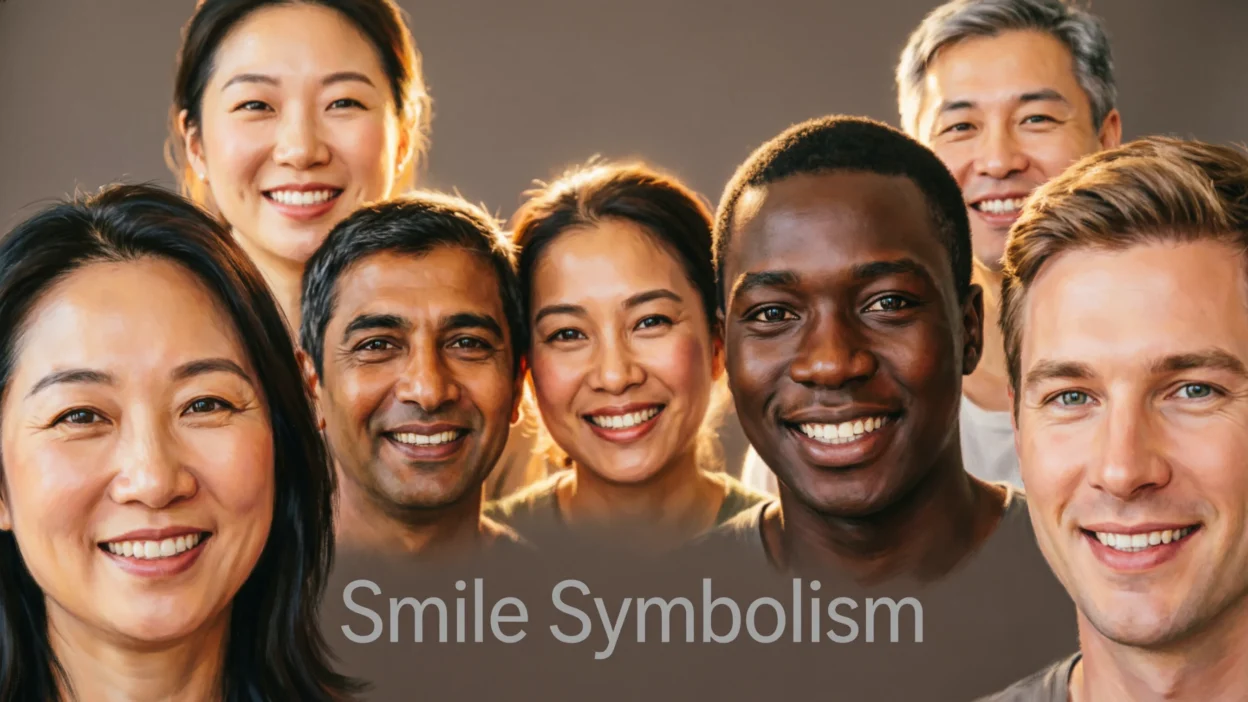
Smile symbolism is universal yet deeply layered. A simple smile can express happiness, kindness, confidence, or even conceal deeper emotions. Across cultures and contexts, a smile is more than a facial expression—it’s a powerful symbol of human connection, communication, and inner feeling.
In everyday life, smile symbolism shapes how we relate to others, making it one of the most meaningful nonverbal expressions.
Smile Symbolism Meaning (Clear Definition)
Smile symbolism refers to the emotional, cultural, and psychological meanings behind a smile, including its role in expressing feelings, intentions, and identity.
At its core, smile symbolism often represents:
- Joy and happiness
- Kindness and warmth
- Social connection
- Confidence and positivity
- Hidden emotions or masking
What Does Smile Symbolism Represent?
A smile can carry different meanings depending on context, culture, and intention.
Common interpretations include:
- Happiness – Genuine joy and contentment
- Friendliness – Openness and approachability
- Reassurance – Comforting others
- Confidence – Inner security and positivity
- Concealment – Hiding true emotions behind a pleasant expression
Common Smile Symbolism by Type
| Smile Type | Symbolic Meaning |
|---|---|
| Genuine smile | Joy, authenticity, warmth |
| Polite smile | Courtesy, social harmony |
| Nervous smile | Anxiety, uncertainty |
| Smirk | Confidence, irony, or sarcasm |
| Forced smile | Concealment, emotional masking |
Spiritual Meaning of Smile Symbolism
Spiritually, a smile is often seen as an expression of inner peace and positive energy.
Some deeper meanings include:
- Inner joy – A reflection of spiritual contentment
- Positive energy sharing – Spreading light and kindness to others
- Healing presence – A smile can uplift and comfort those around you
- Alignment with positivity – Choosing optimism and gratitude
In many traditions, a sincere smile is viewed as a sign of a calm and balanced spirit.
Biblical / Religious Meaning of Smile Symbolism
While smiles are not always directly mentioned, their essence appears in religious teachings.
- In the Bible, expressions of joy and gladness are associated with faith, gratitude, and divine blessings
- In Islam, smiling at others is considered an act of charity and kindness
- Many spiritual teachings emphasize a joyful expression as a reflection of inner peace and compassion
These interpretations connect smiling with goodness, generosity, and spiritual well-being.
Smile Symbolism in History and Culture
The meaning of a smile varies across cultures and historical contexts.
- In some cultures, smiling openly represents friendliness and trust
- In others, it may symbolize respect, modesty, or restraint
- Historically, smiles in art evolved from rare expressions to symbols of human emotion and realism
- In modern global culture, smiling is often linked to positivity and approachability
Cultural differences shape how smiles are interpreted and expressed.
Smile Symbolism in Literature and Art
In literature and art, a smile often carries symbolic depth beyond happiness.
It can represent:
- Hidden intentions or secrets
- Irony or dual meaning
- Charm and charisma
- Emotional contrast between appearance and reality
Artists and writers use smiles to suggest complexity, making them powerful storytelling tools.
Dream Meaning of Smile Symbolism
Dreams about smiling can reveal emotional states and inner desires.
Common interpretations include:
- Smiling in a dream – Inner happiness or emotional satisfaction
- Someone smiling at you – Acceptance, approval, or connection
- Forced or strange smile – Hidden fears or unresolved emotions
- Inability to smile – Emotional blockage or sadness
These dreams often reflect how you process emotions and relationships.
Modern Meaning of Smile Symbolism
Today, smile symbolism plays a major role in communication and identity.
Modern meanings include:
- Social connection – Building relationships and trust
- Emotional intelligence – Understanding when and how to express feelings
- Confidence and positivity – Projecting a strong, optimistic image
- Digital expression – Emojis and online communication shaping how smiles are perceived
A smile remains one of the simplest yet most powerful ways to communicate meaning.
FAQs About Smile Symbolism
What does a smile symbolize spiritually?
A smile often symbolizes inner peace, joy, and the sharing of positive energy with others.
Can a smile have different meanings?
Yes, a smile can express happiness, politeness, nervousness, or even hidden emotions depending on context.
Is smiling a universal symbol?
Smiling is widely recognized, but its meaning can vary across cultures and situations.
What does dreaming about smiling mean?
It usually reflects emotional satisfaction, connection, or underlying feelings depending on the dream context.
Why is a smile so powerful?
A smile influences emotions, builds trust, and communicates feelings instantly without words.
Conclusion
Smile symbolism is both simple and profound. It reflects joy, connection, and emotional depth while also revealing hidden layers of human experience. Whether genuine or subtle, a smile remains one of the most meaningful ways we express ourselves and connect with others.

Mike Poop is a dedicated writer at Symboliy.com, creating clear, practical content about language, communication, and everyday expressions to help readers understand meaning and usage confidently in professional contexts worldwide.