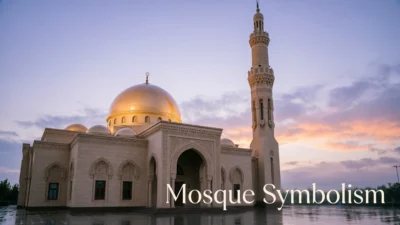
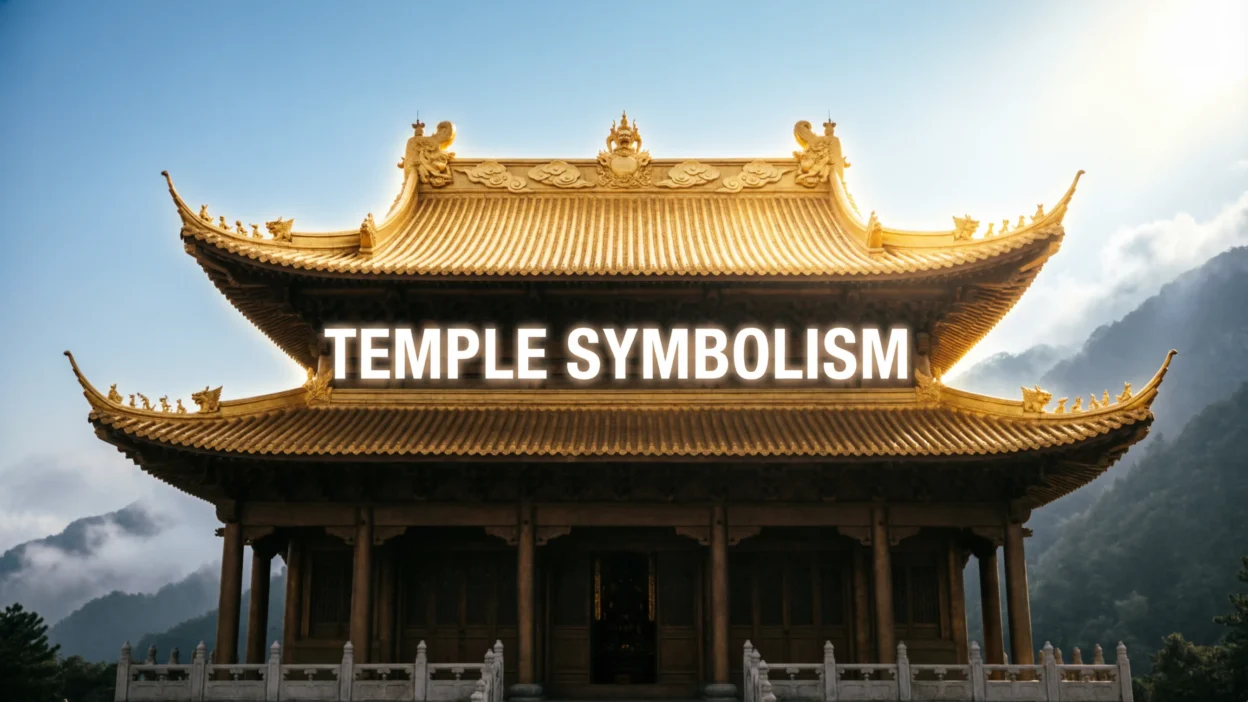
Temple symbolism reflects humanity’s deep desire to connect with the divine through sacred spaces and meaningful design.
Across cultures and religions, temple symbolism expresses spiritual truths using architecture, rituals, and symbolic elements that guide individuals toward inner peace and higher understanding.
Temple Symbolism Meaning (Clear Definition)
Temple symbolism refers to the use of sacred structures, designs, and objects within temples to represent spiritual concepts, divine presence, and cosmic order.
In simple terms, it is a symbolic language expressed through temple spaces that helps people understand and experience spirituality.
What Does Temple Symbolism Represent?
Temple symbolism represents core spiritual ideas that transcend individual traditions. These include:
- Connection between human and divine
- Harmony and balance
- Spiritual journey and enlightenment
- Purity and sacredness
- Cosmic order and universal truth
- Inner transformation
Common Temple Symbols and Their Meanings
| Symbol Element | Meaning |
|---|---|
| Dome or Spire | Connection to heaven, higher consciousness |
| Mandala Layout | Universe, cosmic balance |
| Water Features | Purification, renewal |
| Pillars | Strength, stability, support |
| Lotus Design | Purity, enlightenment |
| Inner Sanctum | Divine presence, inner self |
Spiritual Meaning of Temple Symbolism
Spiritually, temple symbolism is a reflection of the inner journey. The structure of a temple often mirrors the path of self-discovery:
- Entering the temple symbolizes leaving the external world behind
- Moving inward represents deeper awareness
- Reaching the center reflects connection with the divine
This symbolic journey encourages mindfulness, peace, and spiritual awakening.
Biblical / Religious Meaning of Temple Symbolism
In many religions, temple symbolism holds profound theological meaning.
- In Hinduism, temples are designed as representations of the universe, with the central shrine symbolizing the heart of existence.
- In Buddhism, temple layouts reflect the path to enlightenment and spiritual balance.
- In ancient Judaism, the temple symbolized God’s dwelling place on Earth.
These sacred spaces are not just places of worship—they embody spiritual teachings through their very design.
Temple Symbolism in History and Culture
Historically, temples have served as spiritual, cultural, and social centers.
Ancient civilizations carefully designed temples using symbolic geometry and sacred alignment. Every element—from carvings to orientation—held meaning.
Temple symbolism also influenced art, festivals, and community traditions, helping preserve spiritual knowledge across generations.
Temple Symbolism in Literature and Art
In literature and art, temples often symbolize:
- The search for truth
- Inner peace and enlightenment
- A sacred meeting place between human and divine
Artists and writers use temple imagery to represent transformation, wisdom, and the deeper layers of existence.
Dream Meaning of Temple Symbolism
Dreaming about temple symbolism can carry powerful spiritual messages. It may indicate:
- A desire for inner peace or clarity
- Spiritual growth or awakening
- Seeking guidance or purpose
- A need for reflection and healing
Such dreams often appear during important life transitions or moments of self-discovery.
Modern Meaning of Temple Symbolism
In modern life, temple symbolism continues to inspire both spiritual and personal practices.
People engage with it through:
- Meditation and mindfulness spaces
- Spiritual retreats and practices
- Architecture and interior design
- Personal growth and self-reflection
Today, temple symbolism is often interpreted in a more personal way, helping individuals create their own sacred spaces.
FAQs About Temple Symbolism
What is temple symbolism?
Temple symbolism refers to the sacred meanings behind temple structures, designs, and elements representing spiritual and divine concepts.
Why are temples symbolic?
Temples are designed to reflect spiritual truths and guide individuals toward enlightenment and connection with the divine.
What does the center of a temple represent?
It typically represents the divine presence or the inner self, symbolizing ultimate truth and awareness.
Do all temples have the same symbolism?
No, symbolism varies across religions and cultures, though many share similar spiritual themes.
What does dreaming of a temple mean?
It often signifies spiritual growth, inner peace, or a search for deeper meaning in life.
Conclusion
Temple symbolism offers a profound way to understand spirituality through space, structure, and sacred design. It reminds us that the journey toward the divine is both external and deeply personal, guiding us toward balance, peace, and enlightenment.

Shan Waston is a skilled writer at Symboliy.com, producing clear, engaging content on language, communication, and everyday expressions to help readers understand meaning and usage confidently in modern digital contexts.