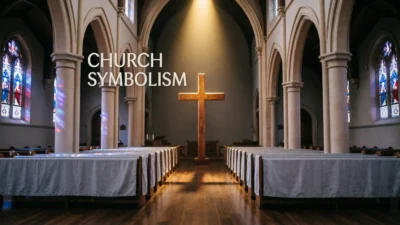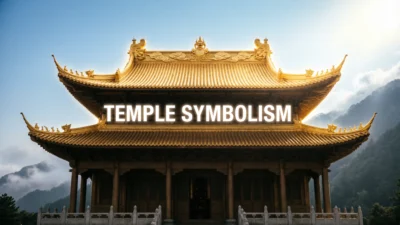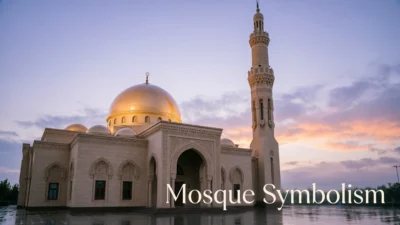
Holy symbolism has shaped human understanding of the divine for centuries. From sacred signs to meaningful rituals, holy symbolism offers a powerful way to express beliefs, values, and spiritual truths that words alone often cannot capture.
Whether seen in religion, art, dreams, or daily life, these symbols carry layers of meaning that continue to inspire and guide people across cultures.
Holy Symbolism Meaning (Clear Definition)
Holy symbolism refers to the use of sacred signs, objects, images, or actions that represent spiritual truths, divine presence, or religious beliefs.
In simple terms, it is a way to communicate deeper meanings about faith, purity, and the connection between humans and the sacred.
What Does Holy Symbolism Represent?
Holy symbolism often represents universal spiritual concepts that resonate across traditions. These include:
- Divinity and higher power
- Purity and holiness
- Protection and guidance
- Transformation and renewal
- Faith and devotion
- Life, death, and rebirth
Common Interpretations of Holy Symbols
| Symbol Type | Meaning |
|---|---|
| Light | Divine presence, truth |
| Water | Purification, renewal |
| Fire | Transformation, spiritual power |
| Circle | Eternity, unity |
| Tree | Life, growth, connection |
These symbolic meanings often overlap, creating rich layers of interpretation depending on context.
Spiritual Meaning of Holy Symbolism
Spiritually, holy symbolism acts as a bridge between the physical and the unseen world. It allows individuals to:
- Connect with their inner self
- Understand universal truths
- Experience spiritual awakening
- Feel guided and protected
Sacred symbols often appear during moments of reflection or transformation, reminding people of their spiritual path and purpose.
Biblical / Religious Meaning of Holy Symbolism
In many religions, holy symbolism plays a central role in teachings and rituals.
- In Christianity, symbols like the cross represent sacrifice, salvation, and divine love.
- In Islam, geometric patterns and calligraphy reflect divine perfection and unity.
- In Hinduism and Buddhism, symbols such as the lotus signify enlightenment and purity.
These religious symbols are not just decorative—they carry deep theological meanings and serve as tools for worship and meditation.
Holy Symbolism in History and Culture
Throughout history, civilizations have used holy symbolism to express their beliefs and preserve their traditions.
Ancient cultures carved sacred symbols into temples, artifacts, and manuscripts. These symbols helped pass down spiritual knowledge across generations.
In cultural contexts, holy symbolism often blends with traditions, festivals, and rituals, giving communities a shared sense of identity and meaning.
Holy Symbolism in Literature and Art
Writers and artists have long used holy symbolism to convey deeper emotional and philosophical ideas.
- In literature, symbols often represent moral struggles, divine intervention, or inner transformation.
- In art, sacred imagery creates powerful visual expressions of spirituality and devotion.
Holy symbolism allows creative works to communicate beyond literal meaning, inviting interpretation and reflection.
Dream Meaning of Holy Symbolism
Dreaming of holy symbolism can be a meaningful experience. It often suggests:
- A need for spiritual guidance
- Inner healing or transformation
- A search for purpose or clarity
- Protection during difficult times
The specific meaning depends on the symbol and the emotions felt in the dream, but such dreams are usually connected to personal growth and awareness.
Modern Meaning of Holy Symbolism
In today’s world, holy symbolism continues to evolve while maintaining its core significance.
People use sacred symbols in:
- Personal spirituality and mindfulness
- Jewelry and tattoos as expressions of belief
- Meditation and healing practices
- Interior design to create peaceful environments
Modern interpretations often blend traditional meanings with personal experiences, making holy symbolism more accessible and individualized.
FAQs About Holy Symbolism
What is the purpose of holy symbolism?
Holy symbolism helps express spiritual truths and connect individuals with deeper meanings beyond physical reality.
Why are holy symbols important in religion?
They represent core beliefs, guide rituals, and provide a visual connection to the divine.
Can holy symbolism have different meanings?
Yes, meanings can vary depending on culture, religion, and personal interpretation.
Is holy symbolism still relevant today?
Absolutely. It continues to influence spirituality, art, and personal expression in modern life.
What does it mean to see holy symbols in dreams?
It often indicates spiritual awareness, guidance, or a need for inner reflection.
Conclusion
Holy symbolism remains a timeless and powerful way to understand the sacred aspects of life. Whether rooted in ancient traditions or modern spirituality, these symbols continue to inspire meaning, connection, and transformation across generations.

Here is a professional 30-word author biography including your site name Symboliy.com:
Martin Hood is a professional writer at Symboliy.com, creating clear, informative content focused on language, communication, and meaningful expressions for everyday and professional use.