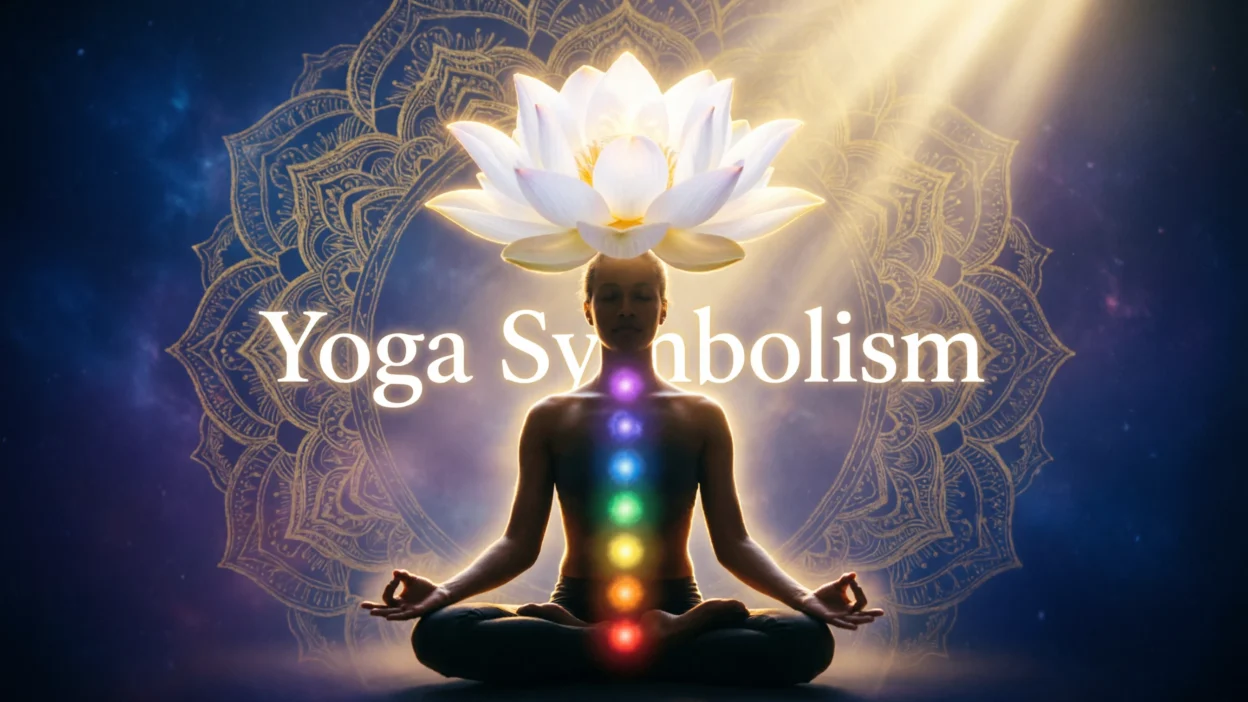
Yoga symbolism represents balance, spiritual awakening, inner peace, and the connection between mind, body, and soul. Across ancient traditions and modern wellness culture, yoga symbols carry powerful meanings that guide meditation, healing, mindfulness, and personal transformation.
From the lotus flower to chakras and sacred sounds, yoga symbolism continues to inspire millions seeking harmony and self-awareness.
More than physical movement, yoga is deeply connected to symbolic teachings that reflect growth, enlightenment, and universal energy.
Yoga Symbolism Meaning (Clear Definition)
Yoga symbolism refers to the sacred signs, images, gestures, and spiritual icons connected to yoga philosophy and practice. These symbols express deeper concepts such as unity, consciousness, balance, healing, and enlightenment.
Yoga symbols are often used during meditation, spiritual rituals, breathing exercises, and mindfulness practices to encourage focus and awareness.
Common Yoga Symbols and Their Meanings
| Symbol | Meaning | Spiritual Connection |
|---|---|---|
| Lotus Flower | Purity and awakening | Enlightenment |
| Om Symbol | Universal sound and consciousness | Spiritual unity |
| Chakras | Energy centers | Healing and balance |
| Mandala | Wholeness and harmony | Meditation focus |
| Yin-Yang | Balance of opposites | Inner harmony |
| Hamsa Hand | Protection and positivity | Spiritual guidance |
These symbols appear in yoga studios, sacred art, jewelry, tattoos, and wellness spaces worldwide.
What Does Yoga Symbolism Represent?
Yoga symbolism represents the journey toward self-discovery and inner harmony. It reflects the idea that human beings can achieve balance through mindfulness, spiritual awareness, and conscious living.
Some common symbolic meanings include:
- Peace and emotional calmness
- Unity between body and spirit
- Healing and energy flow
- Mindfulness and presence
- Personal transformation
- Spiritual enlightenment
- Connection with universal consciousness
For many practitioners, yoga symbols serve as reminders to remain grounded, compassionate, and spiritually aware.
Spiritual Meaning of Yoga Symbolism
The spiritual meaning of yoga symbolism focuses on awakening higher consciousness and understanding the deeper nature of existence.
In many traditions, yoga is seen as a sacred path leading toward liberation, wisdom, and unity with divine energy. Symbols help guide practitioners during meditation and spiritual growth.
Important Spiritual Yoga Symbols
Lotus Flower
The lotus flower symbolizes spiritual awakening and purity. Even though it grows in muddy water, it blooms beautifully, representing growth through challenges.
Om Symbol
The Om symbol represents the sacred vibration believed to exist throughout the universe. Chanting Om during yoga and meditation is thought to create spiritual alignment and inner peace.
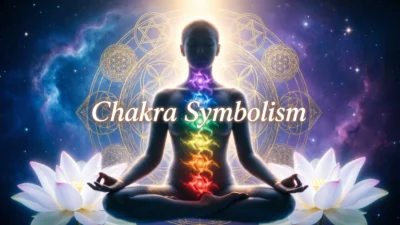
Chakra Symbols
Chakras symbolize the body’s energy centers. Each chakra represents different emotional and spiritual qualities, such as love, intuition, confidence, and communication.
Mandala
Mandalas symbolize cosmic order, balance, and unity. Their circular patterns encourage mindfulness and meditation focus.
Biblical / Religious Meaning of Yoga Symbolism
Yoga symbolism is interpreted differently across religions and spiritual traditions.
Hinduism
Yoga has deep roots in Hindu philosophy. Symbols such as Om, chakras, and lotus flowers represent divine consciousness, spiritual energy, and enlightenment.
Buddhism
Buddhist traditions connect yoga symbolism with mindfulness, compassion, awakening, and freedom from suffering. Meditation symbols are commonly shared between yoga and Buddhist practices.
Christianity
Some Christians interpret yoga symbolism as reflective meditation, peaceful contemplation, and spiritual discipline. Others avoid certain symbols because of their Eastern religious origins.
Taoism
Taoist philosophy shares symbolic ideas of balance and energy flow, especially through the yin-yang symbol representing harmony between opposites.
Yoga Symbolism in History and Culture
Yoga symbolism has evolved over thousands of years through spiritual teachings, art, and cultural traditions.
Ancient India
The earliest yoga symbols originated in ancient India, where sacred geometry, chanting, and meditation practices became important spiritual tools.
Eastern Spiritual Traditions
Yoga symbolism spread throughout Asia and influenced Buddhist, Jain, and meditation traditions. Temples and manuscripts often featured lotus flowers, mandalas, and energy symbols.
Western Wellness Culture
In modern Western culture, yoga symbolism became associated with mindfulness, emotional healing, and holistic wellness. Today, these symbols appear in fashion, wellness products, and lifestyle branding.
Cultural Significance
Yoga symbolism continues to bridge spirituality and daily life by encouraging calmness, balance, and conscious living across cultures.
Yoga Symbolism in Literature and Art
Writers and artists frequently use yoga symbolism to express transformation, inner peace, and spiritual exploration.
In literature, yoga symbols may represent:
- Self-discovery
- Enlightenment
- Emotional healing
- Harmony with nature
- Spiritual journeys
In visual art, yoga symbolism often includes:
- Sacred geometry
- Symmetrical mandalas
- Meditating figures
- Glowing energy fields
- Natural landscapes
Modern art and design continue to use yoga symbolism because it evokes calmness, mindfulness, and spiritual depth.
Dream Meaning of Yoga Symbolism
Dreaming about yoga symbolism often reflects emotional balance, healing, or spiritual growth.
Common Dream Interpretations
| Dream Symbol | Possible Meaning |
|---|---|
| Practicing yoga | Desire for balance and peace |
| Lotus flower | Spiritual awakening |
| Glowing chakras | Emotional healing |
| Om chanting | Inner clarity and calmness |
| Peaceful meditation space | Need for relaxation |
These dreams may suggest the subconscious mind is seeking harmony, healing, or personal growth.
Modern Meaning of Yoga Symbolism
Today, yoga symbolism represents mindfulness, wellness, emotional healing, and conscious living.
People connect with yoga symbols for many reasons:
- Stress relief
- Mental clarity
- Spiritual identity
- Emotional healing
- Positive energy
- Mindfulness practices
Yoga symbolism is commonly seen in tattoos, home décor, clothing, meditation apps, jewelry, and digital wellness communities.
Modern interpretations often blend ancient spiritual meanings with contemporary self-care and mental health awareness.
Most Popular Yoga Symbols Explained
Here are some of the most recognized yoga symbols today:
- Om Symbol — sacred universal vibration
- Lotus Flower — purity and enlightenment
- Mandala — unity and balance
- Chakras — spiritual energy centers
- Yin-Yang — harmony between opposites
- Hamsa Hand — protection and positivity
- Tree of Life — growth and interconnectedness
These symbols continue to inspire people seeking peace, healing, and spiritual awareness.
FAQs About Yoga Symbolism
What is the main meaning of yoga symbolism?
Yoga symbolism mainly represents balance, spiritual growth, mindfulness, healing, and unity between mind, body, and spirit.
Why is the lotus flower important in yoga?
The lotus flower symbolizes purity and enlightenment because it blooms beautifully despite difficult conditions.
What does the Om symbol mean in yoga?
The Om symbol represents sacred sound, universal consciousness, and spiritual connection.
Are yoga symbols religious?
Some yoga symbols come from spiritual traditions, while others are widely used today for mindfulness and wellness without religious meaning.
Can yoga symbolism help mindfulness?
Yes. Many people use yoga symbols to improve focus, encourage calmness, and create peaceful meditation environments.
Conclusion
Yoga symbolism carries timeless meanings connected to peace, transformation, awareness, and spiritual awakening. From ancient sacred traditions to modern wellness practices, these symbols continue to guide people toward mindfulness, emotional balance, and inner harmony.
Whether expressed through meditation, art, dreams, or daily rituals, yoga symbolism reminds us of the powerful connection between the inner self and the wider universe.

Mike Poop is a dedicated writer at Symboliy.com, creating clear, practical content about language, communication, and everyday expressions to help readers understand meaning and usage confidently in professional contexts worldwide.